Creative Uses of Guitar Effects Software in Live Performances
Oliver Murray ·
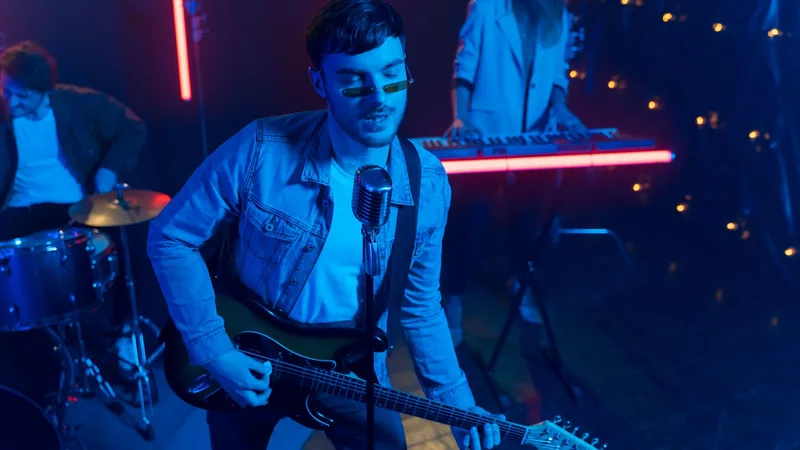
Guitar effects software has transformed the way musicians approach live performances, providing endless possibilities for sound manipulation and creativity. With a variety of tools at your disposal,…
Essential Guitar Effects Software for Live Performances
Guitar effects software has become a vital tool for musicians looking to enhance their live performances. With an array of options available today, it's easier than ever to find software that suits your style and needs. If you're a rock guitarist aiming for powerful distortion or a jazz player wanting to explore subtle reverb, the right effects software can transform your sound. Understanding what’s out there will help you make informed decisions
When selecting the best guitar effects software, consider compatibility with your existing hardware and operating system. Many popular programs integrate seamlessly with various audio interfaces and digital audio workstations (DAWs). Below are some top software choices that have garnered praise from musicians:
- Bias FX 2: Known for its realistic amp simulations and vast array of effects.
- Guitar Rig 6: Offers extensive customization options and an intuitive interface.
- AmpliTube 5: Features a large collection of effects and amps with a user-friendly setup.
- Line 6 Helix Native: Provides professional-grade sounds and flexibility for live use.
Top Software Choices
Several software options stand out in the crowded market. Bias FX 2 is celebrated for its realistic amp simulations and vast array of effects, making it ideal for a variety of genres. Guitar Rig 6 offers extensive customization and an intuitive interface that allows for quick adjustments during performances. AmpliTube 5 boasts a large collection of effects and amps that cater to different styles, while Line 6 Helix Native provides professional-grade sounds and flexibility. Each of these options has unique features, so consider what aligns best with your playing style.
Compatibility and Usability
When choosing guitar effects software, compatibility and usability are crucial. Look for software that integrates well with your audio interface and DAW to avoid technical hiccups during performances. Prioritize user-friendly interfaces that allow you to access effects quickly and intuitively. Features like drag-and-drop functionality and customizable layouts can significantly enhance your workflow. Remember, the goal is to minimize distractions and focus on playing. A good software should feel like an extension of your instrument, not a barrier to creativity.
Creating Unique Soundscapes with Effects
Crafting unique soundscapes is an essential part of live performances, and guitar effects software provides the tools necessary to achieve this. Layering sounds and effects creates depth and richness that captivates your audience. Whether you're experimenting with reverb, delay, or modulation, the possibilities are nearly endless. Understanding how to manipulate these effects can set you apart as a performer and enhance the overall experience of your music.
To create these soundscapes, layering effects is key. Start by selecting a base effect, then add complementary effects to build complexity. Here are some tips to take your sound to the next level:
- Layer a soft reverb with a subtle delay for atmospheric depth.
- Combine distortion with modulation effects like chorus for a fuller tone.
- Experiment with different orderings of effects to discover unique combinations. 🎶
- Record your layers to find the perfect balance before going live.
Layering Sounds
Layering sounds effectively can lead to richer and more dynamic performances. Start by establishing a foundation with a core effect, such as a clean tone or light overdrive. From there, experiment with adding effects like reverb and delay to create space and depth. Don’t be afraid to try unconventional combinations; sometimes, unexpected pairings yield the most interesting results. Keep in mind that less is often more, and maintaining clarity in your sound is essential.
Dynamic Control in Live Settings
Dynamic control in live settings is crucial for adjusting your sound on the fly. This means having a good grasp of your effects and knowing when to modify them based on the song's energy or audience response. Use expression pedals or MIDI controllers to manipulate effects in real-time, allowing for dramatic shifts in sound when needed. During performances, being able to quickly tweak parameters can enhance your connection with the audience. Practice switching effects effortlessly to keep your focus on delivering an engaging show.
Incorporating Guitar Effects into Your Stage Presence
Guitar effects software can transform your performance, making it not just about the music but also about the experience. Engaging your audience is a vital aspect of any live show, and using effects creatively can enhance their connection to your performance. From dynamic soundscapes to unexpected sonic textures, your choice of effects can draw listeners in, making them feel like an integral part of the music. Consider how you can use these tools to create an immersive atmosphere that captivates your audience.
Think about the elements you can incorporate to make your performance more interactive. Here are some methods to keep your audience involved:
- Use looping effects to build layers live, allowing the audience to witness the creative process.
- Engage in call-and-response segments where the audience mimics or interacts with your sound.
- Incorporate storytelling with your effects, using different sounds to represent various parts of a narrative.
- Implement visual effects that sync with your guitar sounds to enhance the overall experience. 🎤
Engaging the Audience
Creating a memorable connection with your audience is essential. Each performance offers an opportunity to experiment with how you present your music. Use effects to create moments of tension and release, drawing the audience into the emotional highs and lows of your set. You can also invite audience participation, encouraging them to sing along or clap to a beat, which can be amplified through effects. The more engaged your audience feels, the more likely they are to remember your performance long after the show ends.
Visual and Auditory Coordination
Integrating visual elements with sound effects can elevate your performance. Consider how lighting and visuals can complement your guitar effects. For instance, using a delay effect in combination with synchronized lighting can create a stunning visual display that enhances the music. This coordination not only captivates the audience but also reinforces the emotional impact of your performance. Make sure to plan these elements in advance, so they flow seamlessly throughout your set.
Using Effects for Specific Genres
Different music genres often require unique approaches to guitar effects, allowing you to tailor your sound to fit the style of music you’re performing. Whether you're playing rock, jazz, or blues, understanding which effects work best for each genre can significantly enhance your performance. Each genre has its own characteristics and audience expectations, and the right effects can help you meet those expectations while also showcasing your creativity. Adaptability is key in using your effects software to suit the demands of the genre.
Here are some specific considerations for using effects across genres:
- For rock and metal, explore overdrive and distortion effects to achieve that powerful edge.
- Jazz musicians often benefit from modulation and reverb effects to create depth in their improvisations.
- In blues, consider using wah and slide effects to add expressiveness to your solos.
- Experiment with ambient effects for genres like shoegaze or post-rock to create lush soundscapes.
Rock and Metal Techniques
When it comes to rock and metal, the right effects can amplify your energy on stage. Distortion and overdrive are staples in these genres, allowing you to create a heavy sound that resonates with the audience. Layering different effects like delay and reverb can add depth to solos, making them stand out. Experiment with modulation effects to keep your sound dynamic throughout your performance. The goal is to engage your audience with powerful riffs and immersive sound that captures the essence of rock and metal.
Jazz and Blues Innovations
Jazz and blues musicians often rely on effects to enhance their improvisational skills. Using reverb can add a sense of space to your sound, while modulation effects can introduce subtle variations that keep your performance interesting. Techniques like fingerpicking or slide guitar can be complemented by specific effects, creating a unique voice for your instrument. Embrace the freedom these effects provide, and don’t hesitate to push the boundaries of traditional sounds to create something fresh and innovative.
Guitar Effects Software and Casino Entertainment
Guitar effects software has revolutionized how musicians perform live, allowing them to create unique soundscapes and engage audiences in ways that were once unimaginable. The dynamic interaction between the performer and the audience plays a crucial role in both live music and casino environments. Just as a guitarist uses effects to enhance their performance, casinos utilize immersive elements to capture the attention of players. This synergy between sound and atmosphere creates an engaging experience that keeps audiences coming back for more.
By examining the parallels between live performances and casino atmospheres, we can uncover valuable insights. Both settings thrive on excitement, anticipation, and the element of surprise. Musicians and casino operators alike aim to create memorable experiences that resonate with their audiences. The emotional highs of a live guitar solo can be likened to the thrill of winning at a blackjack table. Understanding these connections can inspire artists and gamers to explore new creative avenues.
The Similarities in Engagement
The engagement strategies in live performances and casino settings share several core principles. Both rely on captivating visuals and auditory stimuli to draw in participants. In a live concert, a guitarist might use a light show synchronized with their effects, while a casino utilizes vibrant decor and sound effects to enhance the gaming experience. The excitement builds as the audience anticipates the next move, be it a powerful guitar riff or a dealer's card reveal. Here are some similarities to consider:
- Both require a strong connection to the audience.
- Surprise elements keep participants engaged.
- Visual and auditory effects amplify the experience.
- Emotional highs create lasting memories.
Incorporating Interactive Elements
Live dealer blackjack represents an exciting intersection of gaming and performance. This format allows players to interact with real dealers in real-time, mirroring the engagement found in live music. Just as guitarists can incorporate audience participation, such as sing-alongs, casinos can encourage player interaction through chat features and live commentary. This engagement transforms a standard gaming experience into something more dynamic. Consider these performance techniques inspired by live dealer settings:
- Encourage audience participation during key moments.
- Utilize technology to enhance interaction.
- Incorporate storytelling elements into performances.
- Engage with the audience to build a community vibe. 🎉